

Is your daily caffeine fix making you anxious?
Let’s explore the connection between caffeine and anxiety to help you better understand how that morning cup of joe or energy drink might impact your mood and mental well-being.
What Is Caffeine?
Caffeine is a natural stimulant found in the seeds, leaves, and fruit of specific plants, such as coffee beans, tea leaves, and cacao beans (used for making chocolate). It's the stuff that gives you that jolt of wakefulness from your morning coffee or tea.
Caffeine-containing beverages are gaining popularity. Coffee and tea shops are everywhere, and energy drinks line the store shelves. It's not just about getting a boost; it's a comforting ritual or a tasty treat for many.
What is Anxiety Disorder?
Anxiety disorder is when you constantly feel overly worried or nervous about everyday things, to the point where it affects your daily life.
Think of it like that jittery feeling you get before a big test or presentation. But it occurs even when there's no apparent reason.

What are the symptoms of anxiety?
- Racing heart and shortness of breath: These common anxiety symptoms make it feel like your heart is about to burst out of your chest, leaving you feeling dizzy and lightheaded.
- Excessive worrying: Anxiety loves taking over our minds with thoughts that go round and round like a never-ending carousel. From thinking about worst-case scenarios to replaying past events in our heads, it feels like we can't turn off anxious thoughts no matter how hard we try.
- Muscle tension: It's like having invisible weights attached to different body parts, sometimes causing discomfort and even pain.
- Stomach problems: Anxiety can wreak havoc on our digestive system. From butterflies in the stomach to nausea and diarrhea, anxiety’s strike feels like our insides are racing on a roller-coaster.
- Trouble sleeping: Sleep becomes nearly impossible when anxiety pays a visit at night. Racing thoughts keep us tossing and turning for hours on end. The exhaustion from lack of sleep fuels more anxiety during the day—creating a vicious cycle that seems impossible to break.
- Irritability and mood swings: The constant strain caused by anxious thoughts can make individuals more prone to snapping at others over minor issues or feeling overly emotional in certain situations.
- Social withdrawal and isolation: People with anxiety may avoid parties or gatherings because they fear judgment or criticism from others. This social withdrawal may lead to feelings of loneliness and exacerbate the anxiety further.
- Difficulty concentrating: Anxiety affects cognitive function, leading to difficulties with concentration and memory retention. The heightened state of alertness that comes with anxiety makes it harder to focus.
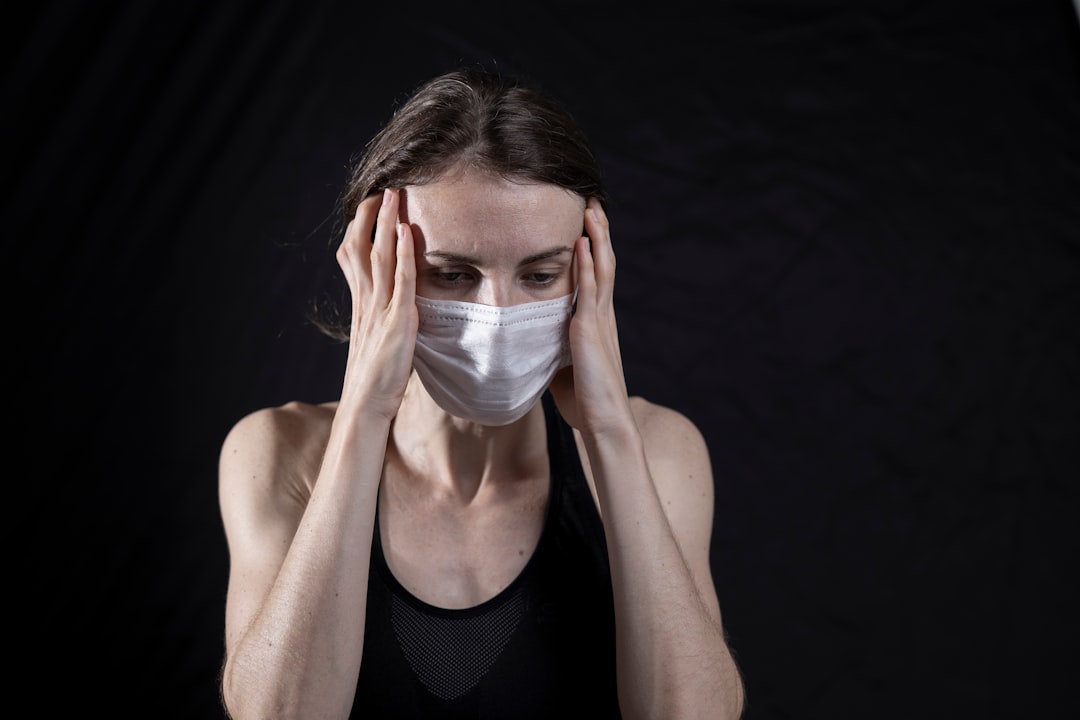
Is caffeine linked to anxiety?
Yes, caffeine is indeed linked to anxiety. A study confirms that caffeine, when consumed at doses equivalent to roughly 5 cups of coffee, can induce panic attacks in many individuals with panic disorder (an anxiety disorder characterized by regular and sudden panic attacks).
This means that for people already prone to anxiety, caffeine can potentially worsen their symptoms.
Caffein’s effect on anxiety varies from person to person. You need to understand your own tolerance for caffeine and its impact on your mental health. If you have concerns about caffeine and anxiety, check in with a healthcare professional for personalized advice.
How long does caffeine anxiety last?
Caffeine can be a lifesaver when you need an energy boost, but what about those pesky anxiety symptoms that sometimes come with it?
The good news is that caffeine-induced anxiety typically doesn't last long—usually just a few hours.
Here's a general guideline:
- Short-Term Effects: Most people experience the stimulating effects of caffeine shortly after consumption, which can include increased alertness and sometimes heightened anxiety. These effects typically peak within 1-2 hours after consuming caffeine and may last a few hours.
- Longer-Term Effects: If you regularly consume large amounts of caffeine, the anxiety-like symptoms may persist as long as caffeine is in your system. Caffeine has a half-life of about 3–5 hours, which means it takes that long for half of the caffeine to be eliminated from your body. So it may take up to 12 hours, or even longer, for the effects to wear off.
- Tolerance and Habituation: With regular caffeine consumption, your body can build up a tolerance, and you may become less sensitive to its anxiety-inducing effects over time. But this can also lead to a cycle where you need more caffeine to achieve the same level of alertness, potentially increasing the risk of anxiety if you consume too much.

Can quitting caffeine help reduce anxiety?
Giving it up might seem daunting if you rely on caffeine to start your day or get through those afternoon slumps. But have you ever considered that quitting caffeine could actually help ease anxiety?
It's no secret that caffeine is a stimulant and can increase heart rate and blood pressure. For people prone to anxiety, these effects can worsen their symptoms. By cutting out caffeine, you may feel more calm and less jittery throughout the day.
Quitting caffeine also allows your body to naturally regulate energy levels without relying on artificial boosts. This means fewer daily ups and downs, improved mood stability, and reduced anxiety. While there may be an initial adjustment period where you could experience grogginess or headaches, many people report feeling more relaxed once they've eliminated caffeine.
Since each person's body chemistry is unique, try experimenting with different approaches to see what works best for you. Replace caffeinated beverages with herbal teas or other non-caffeinated alternatives to help maintain a sense of routine.
Remember, it might take time for your body to adjust, so be patient with yourself during the transition period!
Is tea better than coffee for anxiety?
When it comes to finding a calming remedy for anxiety, many people turn to tea. While both tea and coffee can have stimulating effects on the mind and body, tea offers a range of benefits that make it a more appealing choice for those seeking relief from anxiety.
First, tea contains an amino acid called L-theanine that promotes relaxation without sedation. This compound not only helps to reduce stress levels but also enhances your mood and focus.
Tea also boasts various antioxidants proven to alleviate anxiety by reducing inflammation and promoting better brain health.
Another advantage of choosing tea over coffee is its versatility. With numerous herbal blends available, such as chamomile, lavender, or peppermint, you can select teas specifically designed with soothing properties.
These gentle flavors, combined with the warmth of a hot cuppa, create a comforting ritual that aids in stress reduction.

How can you consume caffeine in moderation?
Consuming caffeine in moderation is a good way to enjoy its benefits while minimizing the risk of negative effects. Here are some tips on how to do it:
- Know Your Tolerance: Understand how your body responds to caffeine. Some people are more sensitive than others. Pay attention to how caffeine affects your energy levels, mood, and sleep.
- Set a Limit: Determine a daily caffeine limit that works for you. This is around 200-400 milligrams per day, roughly 1-2 cups of coffee for most people.
- Monitor Your Sources: Educate yourself on of all the sources of caffeine in your diet, not just coffee. It is also found in tea, soft drinks, energy drinks, chocolate, and some medications. Keep track of your overall caffeine intake.
- Watch the Timing: Avoid consuming caffeine too late in the day, as it can disrupt your sleep. Reducing caffeine consumption at least 6 hours before bedtime is generally a good strategy.
- Stay Hydrated: Balance your caffeine intake with water. Caffeine is a diuretic, which may lead to increased urination and potentially dehydration.
- Opt for Decaf: Choose decaffeinated versions of your favorite beverages when possible. Decaf coffee and tea offer the taste without the stimulating effects.
- Listen to Your Body: If you notice signs of overconsumption, like restlessness, jitters, increased heart rate, or anxiety, it may be time to cut back on caffeine.
- Consider Alternatives: When you're looking for an energy boost, consider alternatives, like natural fruit juices, taking a short walk, or practicing meditation to increase alertness.
- Plan Caffeine-Free Periods: Incorporate days or periods in your week without caffeine. This can help reset your tolerance and reduce the risk of dependency.
- Consult a Professional: If you have underlying health conditions or are unsure about your appropriate level of caffeine consumption, seek guidance from a healthcare provider or a registered dietitian.
Remember that moderation is key, and what works for one person may not work for another. By paying attention to your body's signals and adjusting your caffeine intake accordingly, you can enjoy the benefits of caffeine while minimizing its potential downsides.
Key Takeaway
While caffeine can boost alertness, excessive consumption can lead to increased anxiety and even trigger panic attacks in some individuals. It's necessary to be mindful of your caffeine intake and its effects on your body, adjusting it to a level that suits your tolerance and overall health.
Frequently Asked Questions
How does caffeine worsen anxiety?
Caffeine triggers the body's “fight or flight” response, causing a racing heart, shortness of breath, and jitters—sensations nearly identical to an anxiety attack. For those already prone to anxiety, this can trick the brain into a state of panic.
How long before caffeine leaves your system?
Peak effects hit within 1–2 hours, but caffeine has a half-life of 3–5 hours. It can take up to 12 hours or more for its effects to wear off—which is why that afternoon coffee can still be keeping you up at night.
Why is tea often recommended as a “calmer” alternative to coffee?
Unlike coffee, tea contains an amino acid called L-theanine. This compound promotes relaxation and improves focus without the “crash” associated with other relaxants.
Can you build a tolerance to caffeine's anxiety effects?
Yes—but it's a trade-off. As tolerance builds, many people drink more to feel the same alertness, which can raise their baseline anxiety over time.
How can you enjoy caffeine without the mental side effects?
Keep it moderate (200–400mg daily), cut off consumption at least 6 hours before bed, and stay hydrated. Most importantly, pay attention to how your body feels—if your nerves feel like they're in overdrive, it's a sign to scale back.


