As an affiliate partner of various brands and sponsored content, Lovely Refinement may earn commission on qualifying purchases. Affiliate Disclosure & Disclaimer A portion of all sales is donated to the Coalition Against Trafficking in Women (CATW). Human trafficking is a global issue hiding in plain sight, and we are committed to raising awareness and actively supporting the fight to end exploitation.
Are you confident, or do you have high self-esteem?
Wait a minute, are these two things the same, or are they as different as peanut butter and jelly?
Let's dive right in and find out!
What Is Self-Confidence?
Self-confidence is that magical ingredient that allows us to face life's challenges head-on and believe in our abilities.
Picture this: You're about to give a presentation in front of a huge crowd. Your heart is pounding, your palms are sweaty, and your mind is racing.
But despite all the nerves, you know deep down that you have the skills, knowledge, and ability to deliver an outstanding presentation.
That feeling of certainty, that belief in yourself, that is self-confidence. That inner voice that tells you, “You can do this!”
Imagine a bird soaring in the sky, fearlessly embracing the winds. That's what self-confidence looks like.
What Is Self-Esteem?
Self-esteem is all about how we value ourselves. It's how we perceive our worth, abilities, and place in the world. It's like having a mental picture of yourself and feeling good about it.
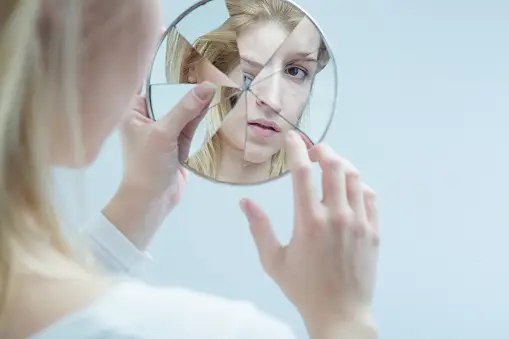
You know those days when you wake up, look in the mirror, and think, “Damn, I look amazing today!” That's self-esteem.
Picture a tree rooted firmly in the ground, drawing strength from its roots. That's what self-esteem is like.
Now, some might argue that these definitions sound similar, so what makes them distinct?
The Difference Between Self-Confidence and Self-Esteem:
Self-esteem and self-confidence are like two sides of the same coin. While closely related, they have distinct characteristics that set them apart.
Think of self-confidence as an action-oriented concept, a little boost that helps you conquer challenges, like believing in your ability to succeed at a particular task or goal. Self-esteem is the foundation that shapes your overall perception of yourself.
To simplify it further, here's a breakdown:
Self-confidence:
Focuses on our belief in our abilities and skills
Involves how we perceive our capabilities to achieve goals
Impacts our level of motivation and resilience
Self-esteem:
Focuses on our feelings of self-worth and self-acceptance
Involves how we perceive ourselves as individuals
Impacts our overall emotional well-being
Now that we have the basics sorted, it's time to explore the benefits of having high self-confidence and self-esteem.
Benefits of high self-confidence:
Enables you to take risks. Trusting yourself makes you more willing to step out of your comfort zone.
Enhances your professional life. Confidence is a magnet for success, as it helps you showcase your skills and abilities.
Sharpens decision-making. Believing in yourself makes you more likely to make choices aligned with your values and goals.
Improves your overall performance. Whether sports, public speaking, or dating, confidence can take you from average to exceptional.
Benefits of high self-esteem:
Helps you build healthy relationships. When you feel good about yourself, you attract positive people.
Boosts your resilience. High self-esteem gives you the strength to bounce back from failures and overcome obstacles.
Increases your happiness. When you value yourself, you're more likely to find joy in the little things.
Enhances your mental well-being. High self-esteem is like a shield against negative thoughts and self-doubt.
What causes low self-confidence?
Sometimes, our self-confidence takes a hit, and we doubt our abilities. Several factors contribute to low self-confidence, such as:
Negative experiences or failures
Lack of support and encouragement from others
Unrealistic expectations or comparisons with others
Fear of judgment or criticism
Signs of Low Self-Confidence:
Recognizing the signs of low self-confidence is crucial to address and overcome it.
Here are some common indicators:
Constant self-doubt and negative self-talk
Avoidance of challenges or new experiences
Overdependence on others' opinions
Feeling anxious or stressed in social situations
Fear of failure resulting in missed opportunities
What causes low self-esteem?
Just like self-confidence, self-esteem can be impacted by various factors. Some common causes of low self-esteem include:
Childhood experiences or upbringing
Negative feedback or criticism from others
Perfectionism and fear of failure
Negative experiences or failures
Lack of support and encouragement from others
Unrealistic expectations or comparisons with others
Fear of judgment or criticism
Signs of low self-esteem:
Persistent negative self-image
Constant need for validation from others
Difficulty in accepting compliments or praise
Excessive self-criticism and self-blame
Social withdrawal and isolation
Avoiding challenges or opportunities that require stepping out of your comfort zone.
Now, let's address a burning question:
Does self-confidence affect self-esteem, or vice versa?
The answer might surprise you. While self-confidence and self-esteem are interconnected, they are not entirely dependent on one another.
You can have high self-confidence in a specific skill, like cooking, yet struggle with self-esteem due to self-perceived flaws.
Similarly, you may have high self-esteem and appreciate yourself for who you are but lack confidence in certain areas of your life.
Our self-confidence acts as a turbocharge for our self-esteem. When we have a positive and healthy belief in our abilities, it spills over into how we perceive ourselves.
So, building your self-confidence is like laying the groundwork for boosting your self-esteem. It's a two-for-one deal!
But hold on a second. Low self-esteem isn't just a matter of feeling down in the dumps. It can also have serious health consequences.
How does low self-esteem affect us?
Low self-esteem can shape our lives in ways we may not even realize. Here's a glimpse of how it can impact different aspects of our existence:
Mental well-being: Negative self-image, self-criticism, and feelings of inadequacy can lead to emotional distress and mental health issues.
Relationships: Low self-esteem can affect our ability to form healthy connections with others and maintain fulfilling relationships.
Achievement and success: A lack of self-worth can hinder our motivation and self-belief, impacting our ability to pursue and achieve our goals.
Overall satisfaction: Low self-esteem can impair happiness and contentment with life.
Now, you might be thinking,
Is self-esteem more important than self-confidence?
Well, here's the deal: While self-confidence helps us tackle specific tasks and challenges, self-esteem is the foundation that shapes our overall happiness and well-being.
It sets the tone for how we perceive ourselves and impacts the choices we make in life.
Without solid self-esteem, even the highest levels of self-confidence can crumble like a Jenga tower.
So, it's crucial to prioritize building healthy self-esteem above everything else.
Alright, folks, the moment you've been waiting for—how to boost your self-confidence and self-esteem.
Practical tips and tricks to help you build your self-worth, one step at a time:
Celebrate your achievements, no matter how small. Acknowledge and pat yourself on the back for a job well done.
Challenge your inner critic. Replace negative self-talk with positive affirmations and beliefs.
Surround yourself with supportive and uplifting people who believe in you.
Set realistic goals and break them down into small, manageable steps.
Step out of your comfort zone regularly. Embrace the discomfort and watch your confidence soar.
Take care of your physical and mental health. Exercise, eat well, practice self-care, and seek professional support.
Embrace failure as a learning opportunity. Remember, every stumble is just a stepping stone to success.
Practice self-compassion. Treat yourself with kindness and understanding, just like you would with a dear friend.
Self-confidence and self-esteem are like two peas in a pod, intricately connected yet unique in their own ways. Building your self-worth takes time and effort, but the journey is worth it. So, believe in yourself and watch the magic unfold!
Here's an inspiring key takeaway for you:
You are worthy, capable, and deserving of all the love and success in the world. Now, go out there and shine like the superstar you truly are!
Lovelyrefinement.com
Frequently Asked Questions (FAQs):
Is a lack of self-confidence an insecurity?
Although low self-confidence often accompanies insecurity, they are not the same. Insecurity requires more confidence in specific areas or aspects of our lives. Low self-confidence encompasses a broader sense of doubt in our abilities.
Can you have high self-esteem but low confidence?
Yes, it is possible to have high self-esteem but low confidence. A person may have a positive perception of their self-worth yet struggle to believe in their abilities or lack the confidence to take on certain challenges.
Can you have self-confidence but not self-esteem?
Contrary to popular belief, it is possible to possess self-confidence without a healthy level of self-esteem. People with high self-confidence may rely solely on external validation or achievements to bolster their belief in themselves, lacking a deep sense of self-worth.
We are committed to offering insightful, validated health and wellness guidance. A diverse group of authors carefully crafts all content on Lovely Refinement, each a subject matter expert deeply knowledgeable due to professional backgrounds or lived experience. Lovely Refinement® is certified as an Expert-Level Advanced Wellness Coach and in Women’s Fitness Instruction by ExpertRating, a leading provider of online certifications and holder of ISO 9001:2015 certification for quality management systems. ExpertRating is internationally recognized for its rigorous standards, and we are proud to reflect that same standard of excellence in our content and learning experiences.